
Why Roofers Win with Coil Handling and Slit & Cut-to-Length

Roofing has always rewarded crews who turn material into finished profiles with speed, accuracy, and zero drama. Today, the shops that outperform do something deceptively simple: they bring more of the process in-house, close to the coil. Modern coil handling and slit & cut-to-length (CTL) lines turn thin-sheet coils into ready-to-form blanks with precision. It is cutting waste, lead time, and bottlenecks before they start.
From delivery risk to dependable flow
Relying on pre-cut blanks ties your schedule to someone else’s capacity and calendar. Working directly from coils rewrites that equation. You standardize around a smaller number of coil and gauges, then slit and cut to your exact spec on demand. Material shows up once, then keeps moving. No repeated handling, fewer receiving events, and less chance of dents or scratches.
Just as important, you’re not waiting on a supplier to rerun a “near miss.” If a dimension changes or a rush job appears, an operator updates the recipe and runs the sheets immediately. That responsiveness converts into fewer site delays and a steadier monthly output, even when work mixes fluctuate.
Precision at the source
Accuracy gained early is accuracy kept. Slit & CTL lines bring servo-controlled feeds, encoder feedback, and straightening that removes coil set before the first cut. The result: consistent width, square corners, and repeatable lengths within tight tolerances.
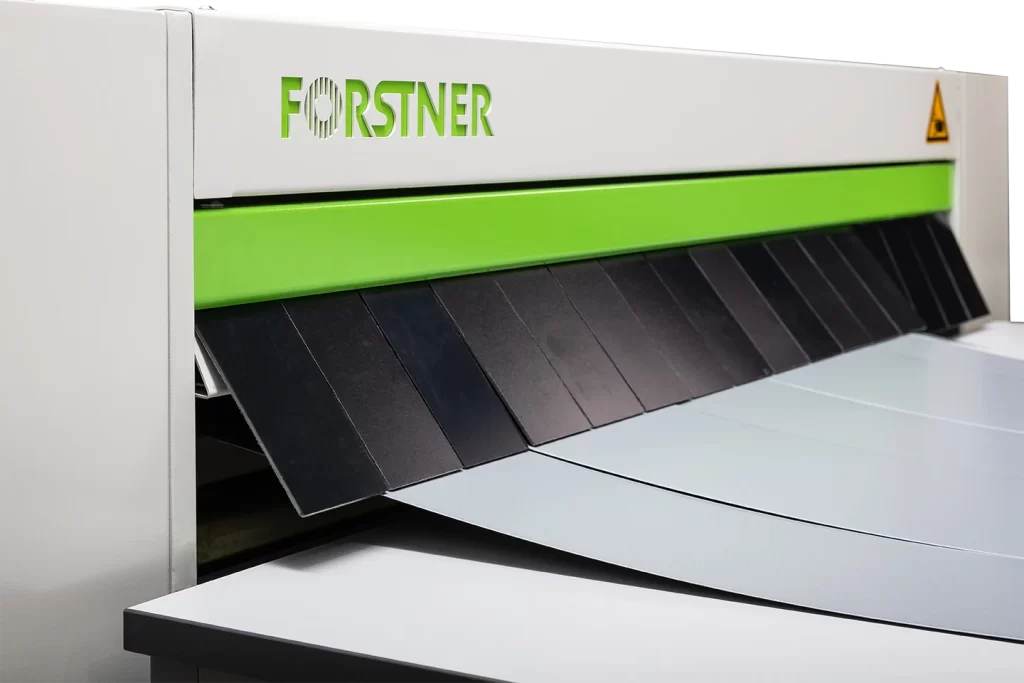
That consistency shows up everywhere: cleaner seams, fewer trim adjustments in the field, and bending programs that don’t need constant nudging. It also protects margins. When each sheet matches the digital spec, rework and remakes drop, and material yield climbs.
Safer, simpler material handling
A thoughtful coil line replaces risky manual lifts with guided, guarded motion. Powered coil cars, expandable mandrels, loop controls, and decoiler stations move material smoothly; straighteners remove set so the sheet feeds true; guarding and interlocks protect operators without slowing the process.
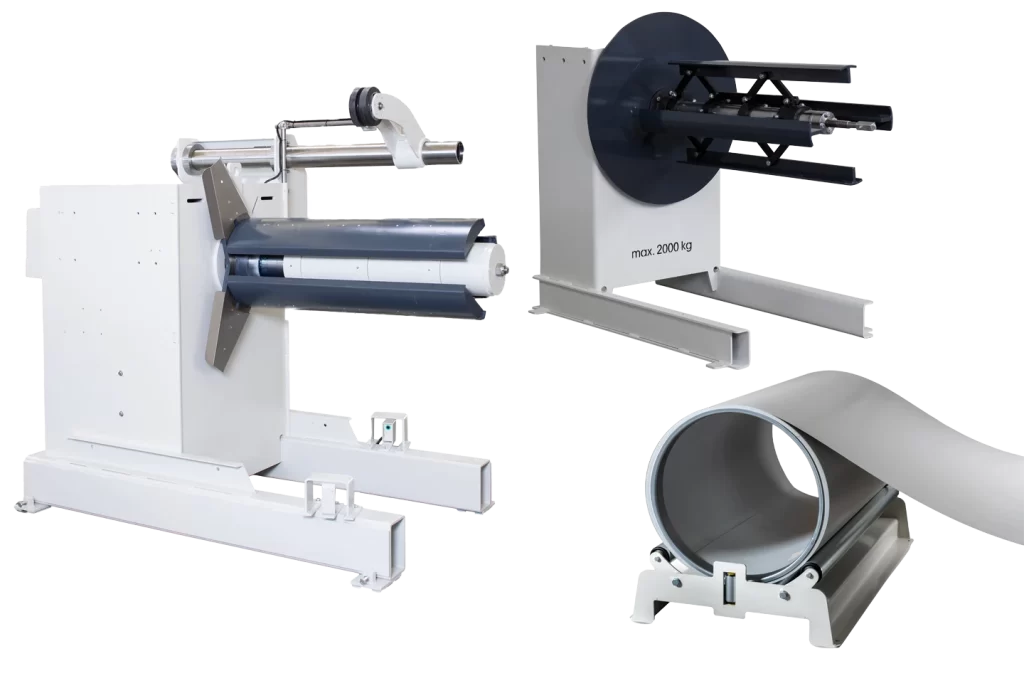
The payoff is twofold: fewer injuries and a calmer floor. Operators focus on recipes and quality checks rather than wrestling with sheets, which makes training faster and cross-coverage easier when crews are lean.
Built for the roofer’s rhythm
Roofing shops live on short runs, frequent changeovers, and “yesterday if possible” requests. That’s where modern lines shine. Programmable slitting, recipe libraries, and automatic length changes keep setups brief and repeatable. Many lines also integrate with upstream job data so operators can scan a work order, load the program, and let the line do the thinking.
Lower inventory and more control
Coils take less space per square meter of usable sheet than stacks of pre-cut blanks. With disciplined planning, you can consolidate SKUs, reduce on-hand sheet inventory, and still widen what you can offer. That flexibility matters when project specs change late or when supply chains wobble. You own the coil; you own the outcome.
Ready to see what that looks like in your shop?
Explore CIDAN’s portfolio of coil handling and slit & cut-to-length solutions. Engineered for thin-sheet roofing applications, operator safety, and downstream forming. Learn more here: https://us.cidan.dev.phosdev.se/machines/coil-handling-and-slit-cut-to-length/

With capacity for up to six coils of 2 tons each, Jantins now enjoys far greater flexibility, shorter changeovers, and significantly less manual handling.


